The enterprise software landscape is undergoing a fundamental transformation. As we enter 2025, artificial intelligence is no longer a futuristic concept—it's becoming the backbone of how organizations build, deploy, and maintain their software systems. At Inkorve, we've been at the forefront of this revolution, helping businesses across industries leverage AI to gain competitive advantages.
The Current State of Enterprise AI
Today's enterprise AI goes far beyond simple automation. We're seeing the emergence of intelligent systems that can understand context, make decisions, and even predict future outcomes. From natural language processing that enables more intuitive user interfaces to machine learning models that optimize business processes in real-time, AI is touching every aspect of enterprise software.
According to recent industry research, over 75% of enterprises are now actively implementing AI in at least one business function. This represents a dramatic increase from just 50% two years ago. The acceleration is driven by several factors: improved AI frameworks, more accessible cloud computing resources, and a growing pool of AI talent.
Key Trends Shaping Enterprise AI
1. Generative AI for Code Development
Large language models are transforming how developers write code. AI-powered coding assistants can now generate boilerplate code, suggest optimizations, and even identify potential bugs before they reach production. At Inkorve, we've integrated these tools into our development workflow, resulting in 40% faster development cycles without compromising quality.
2. Intelligent Automation at Scale
Robotic Process Automation (RPA) combined with AI is enabling enterprises to automate complex workflows that previously required human judgment. These systems can process unstructured data, make decisions based on multiple variables, and learn from their mistakes over time.
3. Predictive Analytics and Decision Support
AI-powered analytics platforms are moving beyond descriptive reporting to predictive and prescriptive insights. Enterprise leaders can now receive AI-generated recommendations on everything from resource allocation to market strategy, backed by data analysis that would take human analysts weeks to compile.
4. AI-First Architecture Design
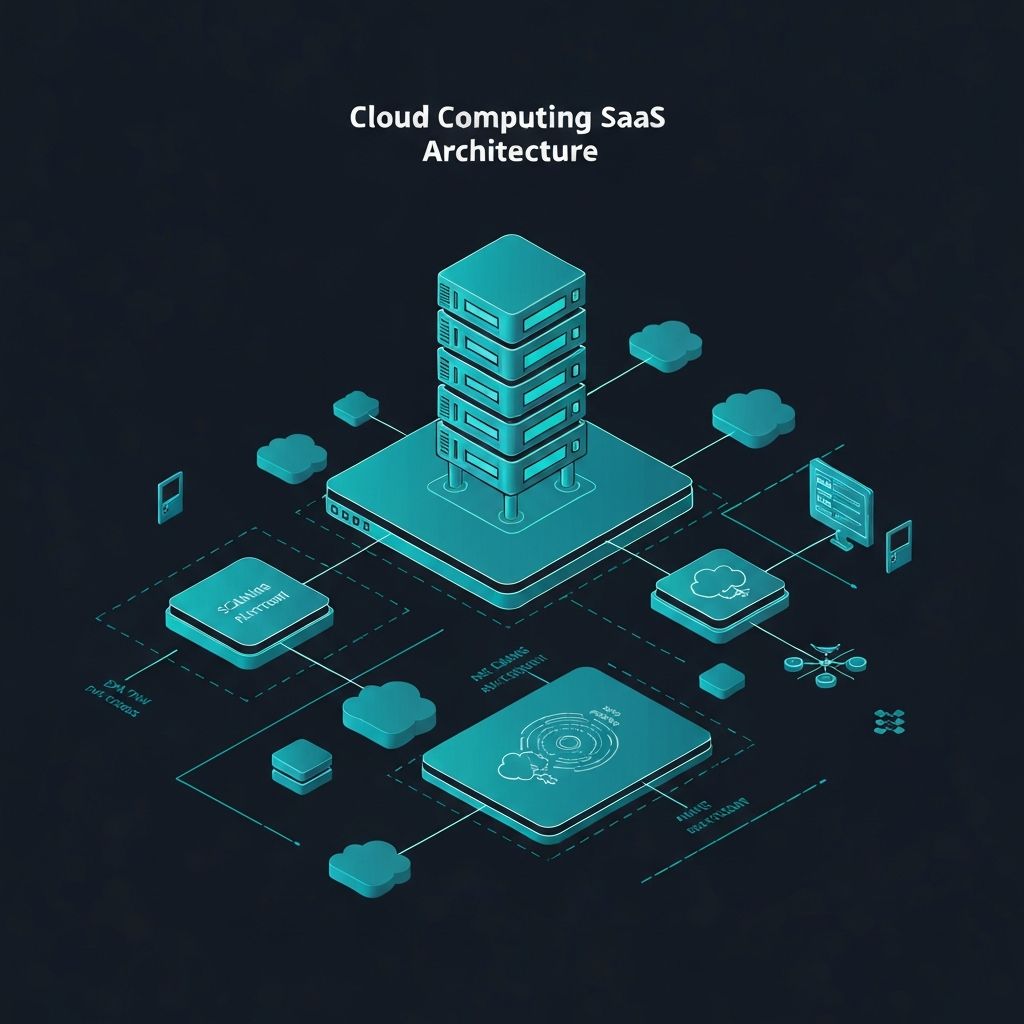
Forward-thinking organizations are designing their software architectures with AI at the core, not as an afterthought. This means building systems that can easily ingest data for training, deploy models at scale, and continuously improve based on real-world performance.
Challenges and Considerations
While the opportunities are immense, enterprises must navigate several challenges:
- Data Quality and Governance: AI systems are only as good as the data they're trained on. Enterprises must invest in data infrastructure and governance frameworks.
- Talent Gap: Finding and retaining AI talent remains challenging. Many organizations are investing in upskilling their existing workforce.
- Ethical Considerations: As AI systems make more decisions, enterprises must ensure these decisions are fair, transparent, and explainable.
- Integration Complexity: Incorporating AI into existing enterprise systems requires careful planning and often significant architectural changes.
Looking Ahead
The next five years will see AI become even more deeply embedded in enterprise software. We anticipate the emergence of fully autonomous business processes, AI systems that can design and optimize themselves, and new interfaces that make enterprise software accessible to a broader range of users.
At Inkorve, we're committed to helping our clients navigate this transformation. Whether you're just starting your AI journey or looking to scale existing initiatives, our team of experts can guide you through the complexities of enterprise AI implementation.
Conclusion
The future of enterprise software is intelligent, adaptive, and AI-driven. Organizations that embrace this reality and invest in AI capabilities today will be the leaders of tomorrow. The question is no longer whether to adopt AI, but how quickly and effectively you can integrate it into your software strategy.